Landscape
The Great Victoria Desert is one of the largest deserts in the world. Nearly untouched by humans, this vast land is 97 000 square kilometres and extends for about 750 km, a perfect landscape for the Dunz to live in.
Famous for its red sand dunes, indigenous wildlife and isolation, it is mainly a barren area and has very little grassland but is dominated by sand dunes and sand plains. The dunes here are mainly longitudinal dunes which can be from 5 - 20 m high and up to 100 km across.
Other features of the desert are dry salt lakes, basins, ridges and stony rises. Most of these are spread throughout the desert but the rises are found in the north - western edge of the desert.
Landforms
In the desert, there are a few landforms that we may need to stay away from since they are renowned amongst the humans. To inhabit these places, we will need to find out more about humans and their behaviours.
The Nullabor Plain - Being the largest limestone land mass, this area is probably the most valuable to the humans. It is located on the brink of the Great Victoria Desert and leads out into the Great Australian Bite, another reason for it being visited by so many of the human race. Because it is so close to the sea, the plain, though tree less, has shrubs that are not drought resistant or salt tolerant, making it different from the rest of the desert. The plain also has many caves which would be good for the Dunz to inhabit once we are more familiar with humans.
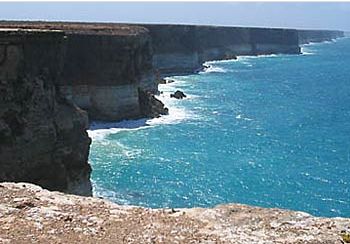
The Musgrave Ranges - This is a range that also borders on the Great Victoria Desert. However, it is a much more barren landscape than the Nullabor Plain and is quite inhospitable for human beings. Even so, there is a tribe called the Pitjantjatjara Aborigines that has been living in the place for thousands of years, which may present a problem to the Dunz. There is also chance that the place will be converted to a mining site, making it dangerous for our race.
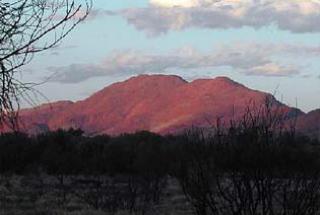
The Tietkins Plain - According to human history, a party that was exploring the desert would have died had it not been for this plain. It was an oasis because of the natural spring that pumps up water from the artesian basin. The plain is a now dry but a good place to dig underground for collecting water. It is not used by humans all the time because of the level of salinity in the basin, something that will not bother us.
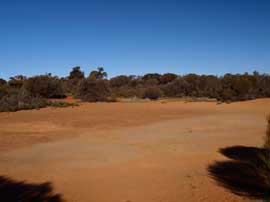
Other places that humans take an interest in are the Serpentine Lakes and the Ooldea Dunefields.
